Commercial construction and bridge financing
Ground-up projects, major renovation, and short-term capital that closes before the permanent loan is ready. SBA-backed where it fits, conventional where it doesn’t.
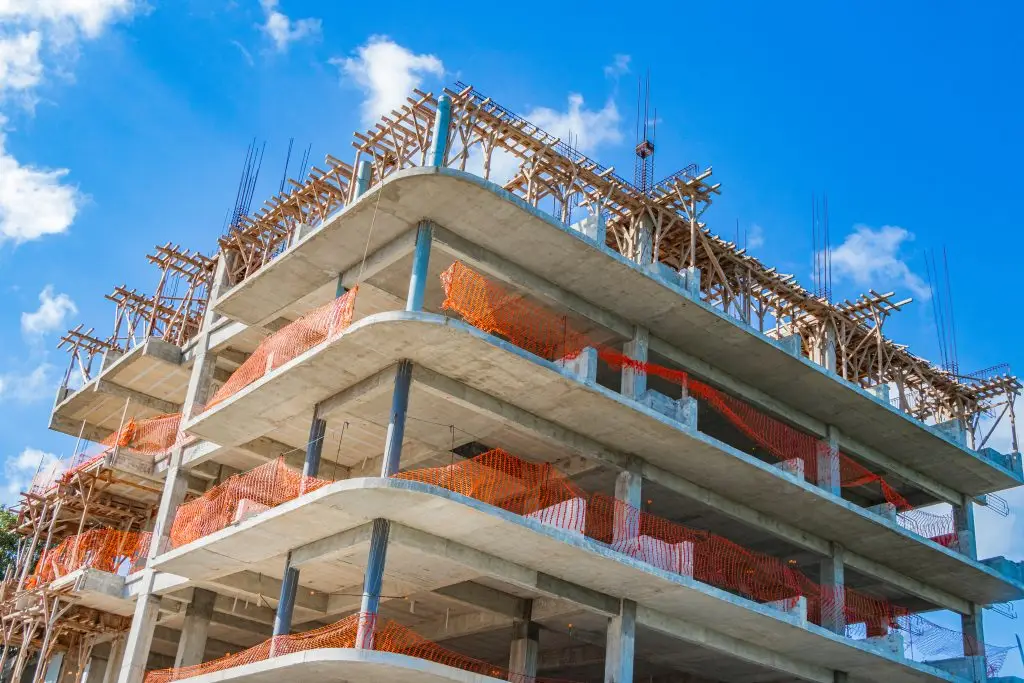
Ground-up and major renovation
Construction is where most commercial deals stall, and it usually isn’t the borrower’s fault. A lender has to underwrite a property that doesn’t exist yet, against a budget that will move, with a contractor they’ve never met. Files get returned for reasons that have nothing to do with credit.
What we place:
- Ground-up construction on owner-occupied commercial property
- Major renovation and expansion
- Property improvement plans on hospitality assets
- Tenant improvement and buildout on special-purpose property
How it’s usually structured:
An SBA 504 is often the cheapest route on owner-occupied construction, because the debenture rate is fixed for the life of the loan and the bank carries the first half at market terms. Above the SBA limits, or where occupancy tests can’t be met, the deal goes conventional or into a construction-to-permanent structure. Which one is right is a sizing question, and it’s worth answering before you’re committed to a GC.
Note the occupancy test: a 504 on new construction requires you to occupy 60% of the finished building, not the 51% that applies to an existing one. That single number decides whether a build qualifies, and it catches people out.
Bridge financing
When the timing doesn't line up
Bridge exists for the gap between a deal that has to close now and permanent financing that isn’t ready. Common versions:
- A purchase under contract with a hard closing date and an SBA file that needs another sixty days
- A property that needs stabilizing before a permanent lender will underwrite it
- A partner exit or estate situation with its own deadline
- A maturing loan where the takeout isn’t yet in place
Bridge is more expensive than permanent debt, and it should be. What matters is whether the exit is real. We won’t place a bridge without a credible path off it — a signed term sheet, a stabilization timeline that works, or an SBA file already in underwriting. A bridge without an exit is just an expensive way to postpone the same problem.
Range: $5,000,000 to $30,000,000.
What we'll ask for
Enough to give you a real answer on the first call rather than a maybe:
- Property type, location and whether you’ll occupy it
- Total project cost, and what you’re putting in
- Timeline, including any hard dates
- Last two years of business tax returns and an interim statement
- For construction: the budget, the plans and who’s building it
- For bridge: your exit, and how firm it is
If a bank has already declined it, send the turndown letter too. It tells us in thirty seconds what the underwriter actually objected to, which is usually different from what you were told.

FAQ
How much do I need down on a commercial construction loan?
On an SBA 504 build, 10% of total project cost for an established business on a standard property, 15% on a special-purpose property such as a hotel or gas station. Conventional construction financing typically runs 20 to 30 percent.
Can an SBA loan fund ground-up construction?
Yes, under both 504 and 7(a). The 504 is usually cheaper on owner-occupied projects because the rate is fixed for the full term. The catch is the occupancy test — 60% of new construction, against 51% for an existing building.
What are commercial real estate loan requirements?
For SBA-backed owner-occupied property: operating for profit in the U.S., tangible net worth under $20 million, average net income under $6.5 million after tax over two years, and occupancy of at least 51%. Conventional commercial lending has no such tests but generally wants more equity and a shorter term.
How fast can a bridge loan close?
Considerably faster than permanent financing — weeks rather than months — but it depends entirely on the property and the exit. Ask us with the specifics.
Do you finance investment property?
Not under SBA — those programs require owner occupancy. Conventional and bridge options exist for investment property and we’ll tell you honestly whether we’re the right people for it.
What we've done
Since 0
Financing special-purpose property
$ 0 M+
Funded in SBA transactions
0 +
Loans closed
0 States
Nationwide
Purchases, refinances, cash-out refinances, ground-up construction and bridge. Hotels and motels, flagged and independent. Gas stations with and without c-store. Car washes. Self storage. Daycare, retail, office and light industrial where the owner occupies the building.
Trusted by Business Owners Nationwide
They understood the deal, not just the loan.
We were looking for financing to purchase a gas station and had already spoken with a couple of lenders who couldn’t give us a clear path forward. SBA Finance Group took the time to understand the business, walked us through our options, and helped us structure the financing from beginning to end. Having someone who understood this type of transaction made a huge difference.
They made a complicated process much easier.
Financing a hotel purchase can get complicated quickly. The SBA Finance Group team was responsive, straightforward, and always kept us informed about what was needed next. They helped us work through the financing process and kept the transaction moving toward closing. I would absolutely work with them again.
We finally felt like someone was working with us.
What stood out was the level of communication. Instead of simply telling us whether a deal fit into a lending box, they helped us understand the different options available and what made the most sense for our business. We were able to secure financing for our acquisition and move forward with confidence.